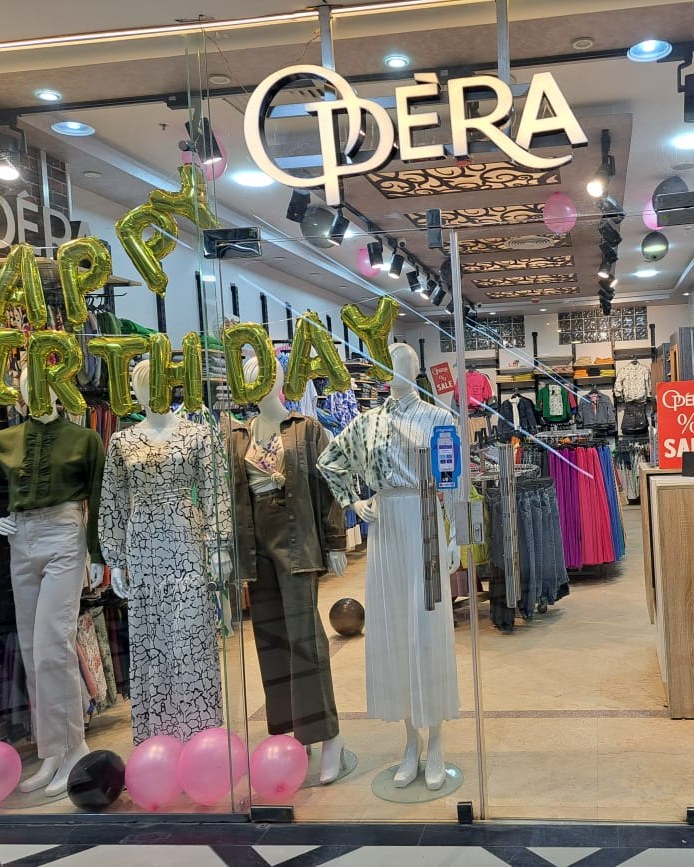
The ready-made garment industry goes through several interconnected stages, starting with careful material selection, through the design and pattern process, and ending with the final product ready for sale in the local market or export. Each of these stages impacts the quality and efficiency of the final product.
1. Raw material purchasing stage
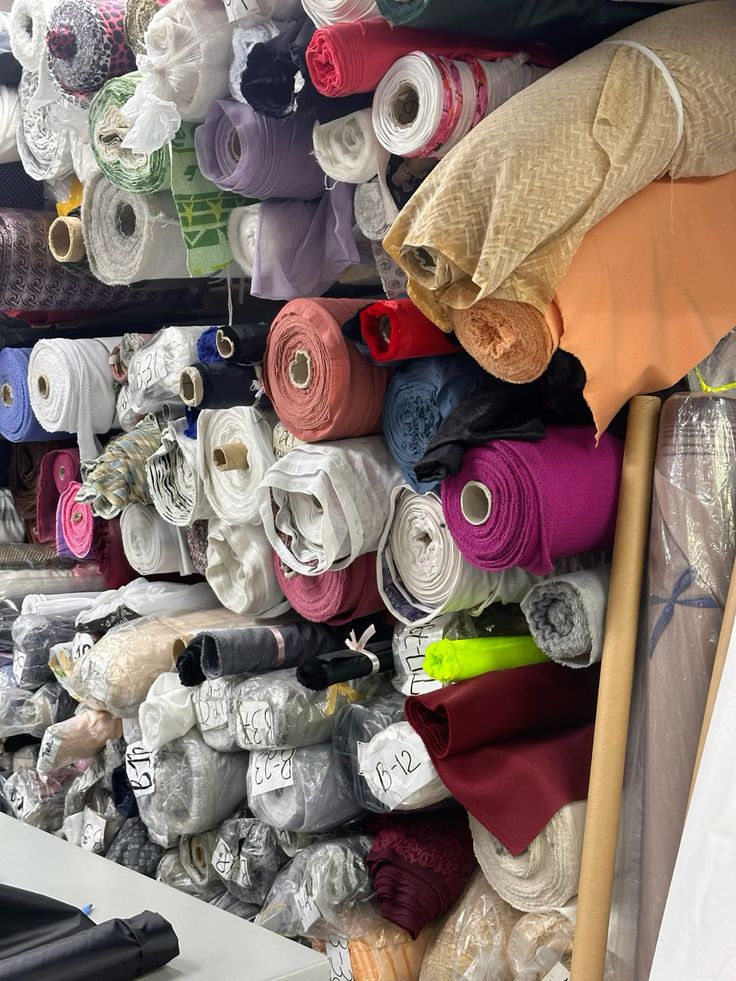
First, the product type is determined: men’s, women’s, children’s, summer, or winter. Based on this, the appropriate material is selected from local or foreign markets. Before use, the fabric is inspected for quality, weight, and color fastness.
Examples of materials:
Cotton: Soft and suitable for summer clothing.
Polyester: Wrinkle-resistant and easy to wash.
Lycra: Flexible and used in sportswear.
Wool, linen, denim, viscose: Suitable for winter or formal wear.
2. Design phase
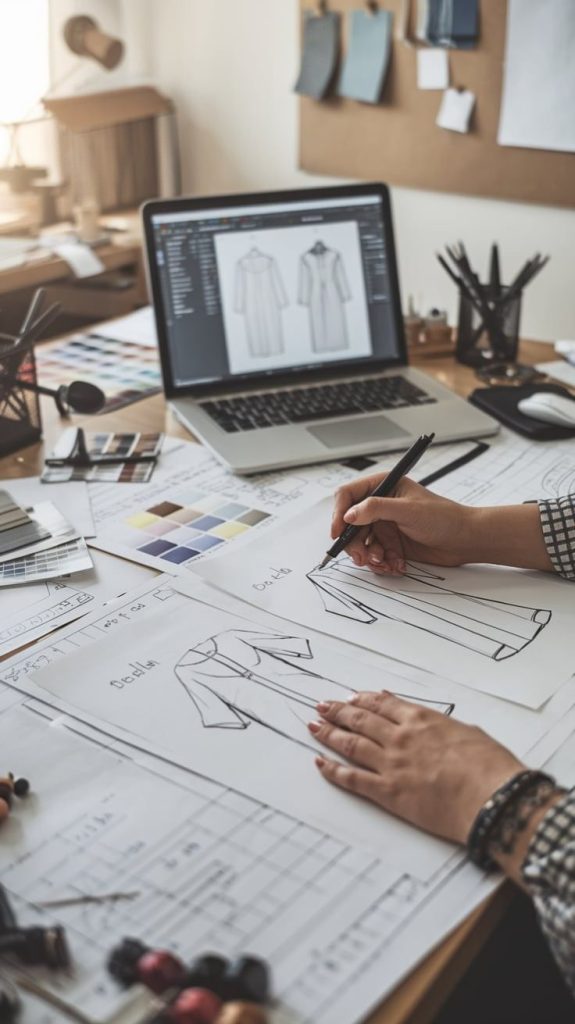
The fashion designer sketches the model’s silhouette according to current fashion trends, determining the sizes, colors, decorative details, and accessories, if any. The final design is approved after review by management or the client.
3. Pattern preparation stage
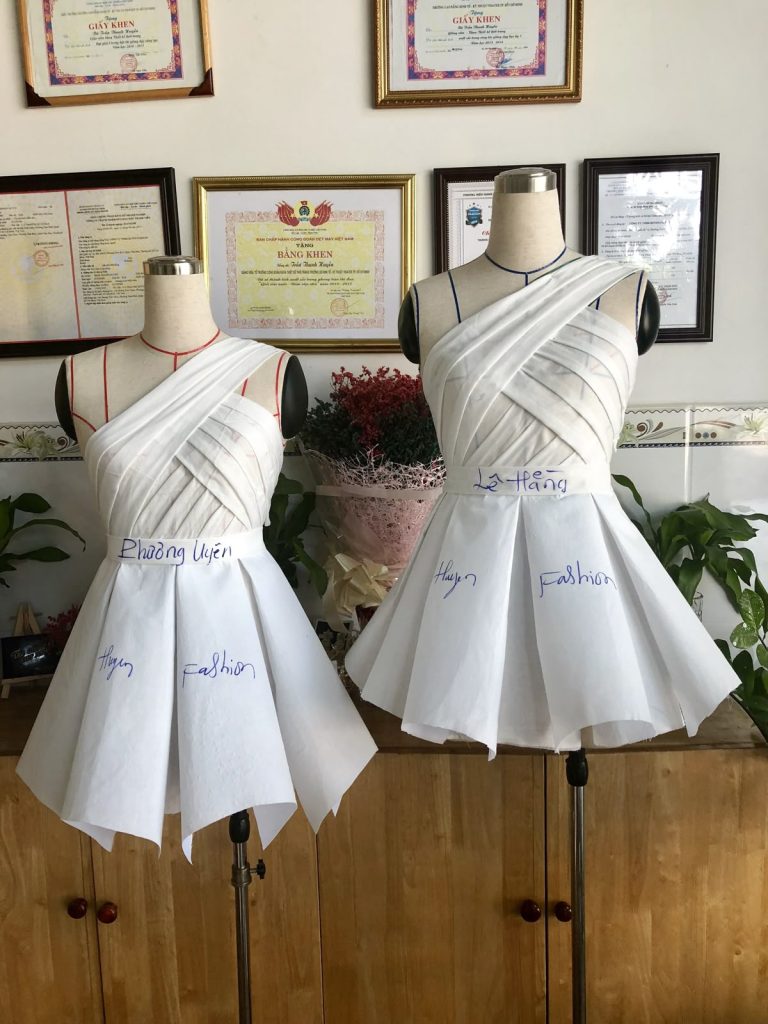
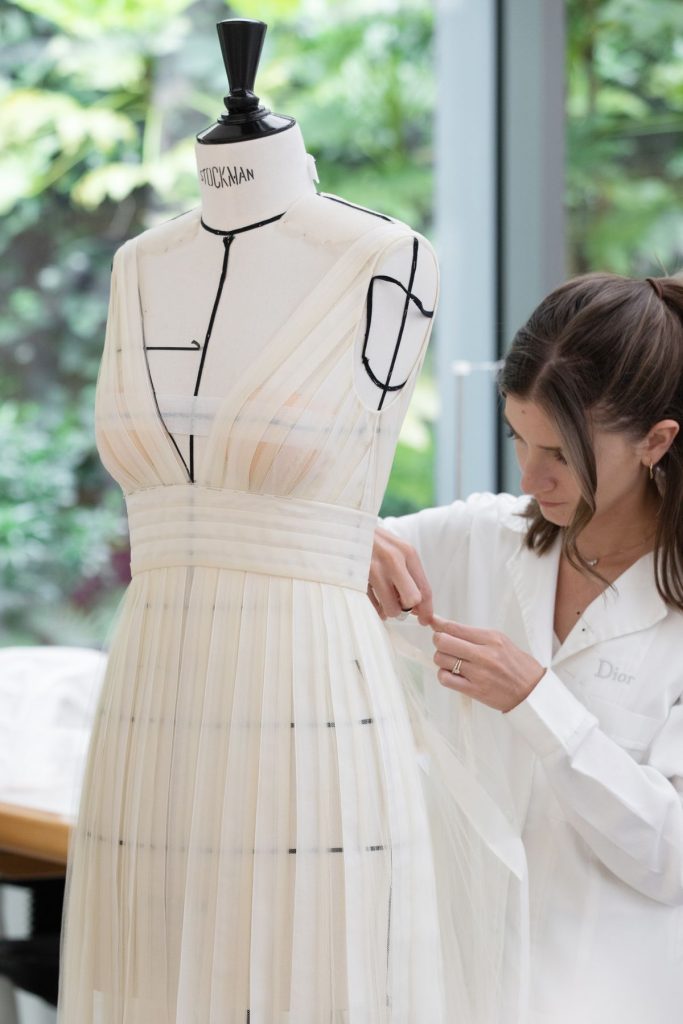
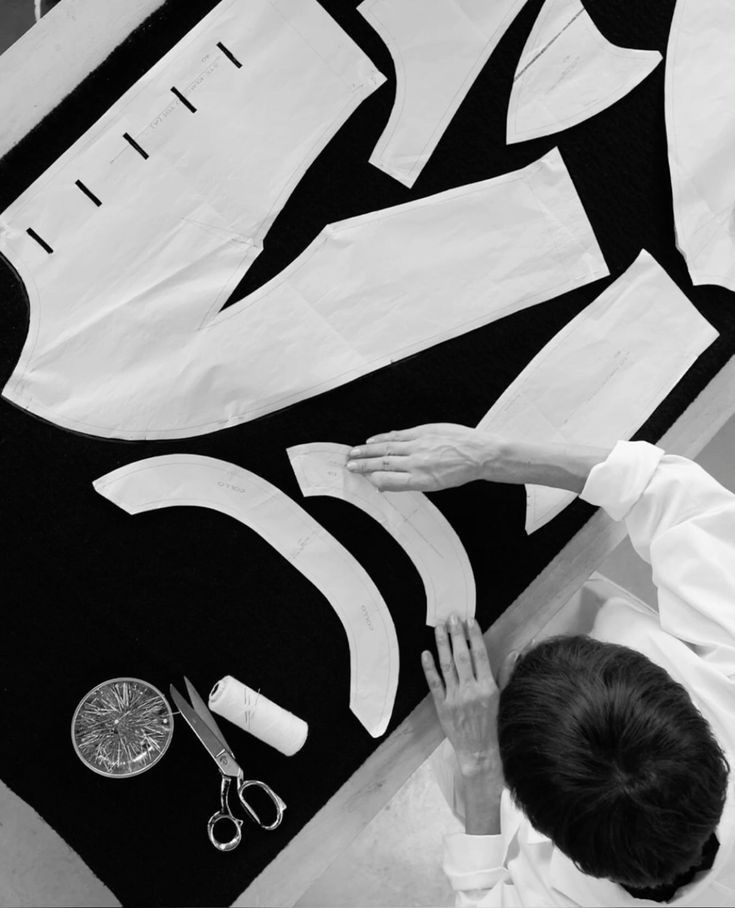
The basic pattern is drawn on pattern paper or using software such as Gerber, Gemini, or Lectra. The pattern shows the shape of each piece of fabric that will be cut and assembled later. A sample is created to ensure the accuracy of the measurements and shape.
4. Marker stage
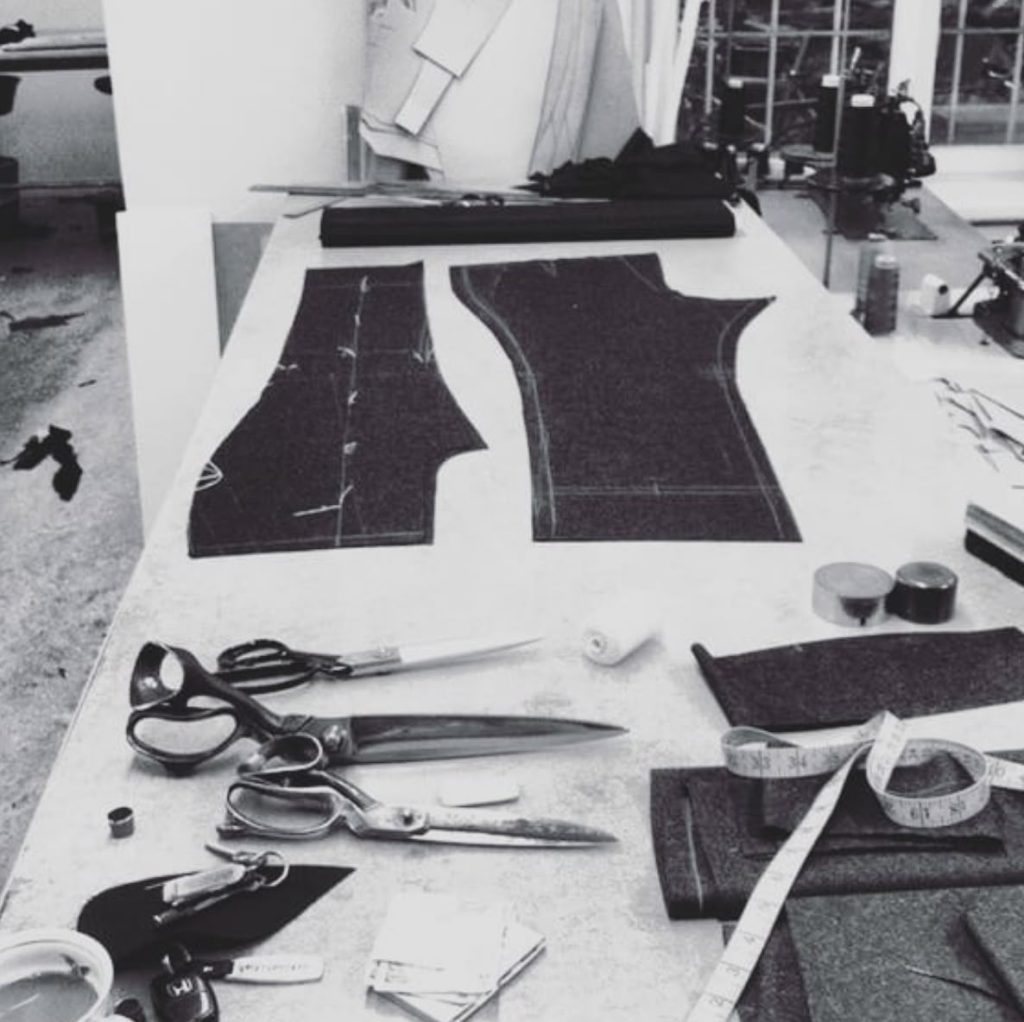
The pattern pieces are arranged on the fabric in an economical manner to minimize waste. The marker is executed manually or using a computer and printed on paper used during cutting.
5. Brushing stage
The fabric layers are spread out on the cutting table according to the number of layers required for production, taking into account the fiber direction and fabric patterns to avoid uneven appearance after sewing.
6. Cutting stage
Fabrics are cut according to the marker using electric scissors or an automatic cutting machine. After cutting, similar pieces are grouped according to size and color.
7. Sewing stage
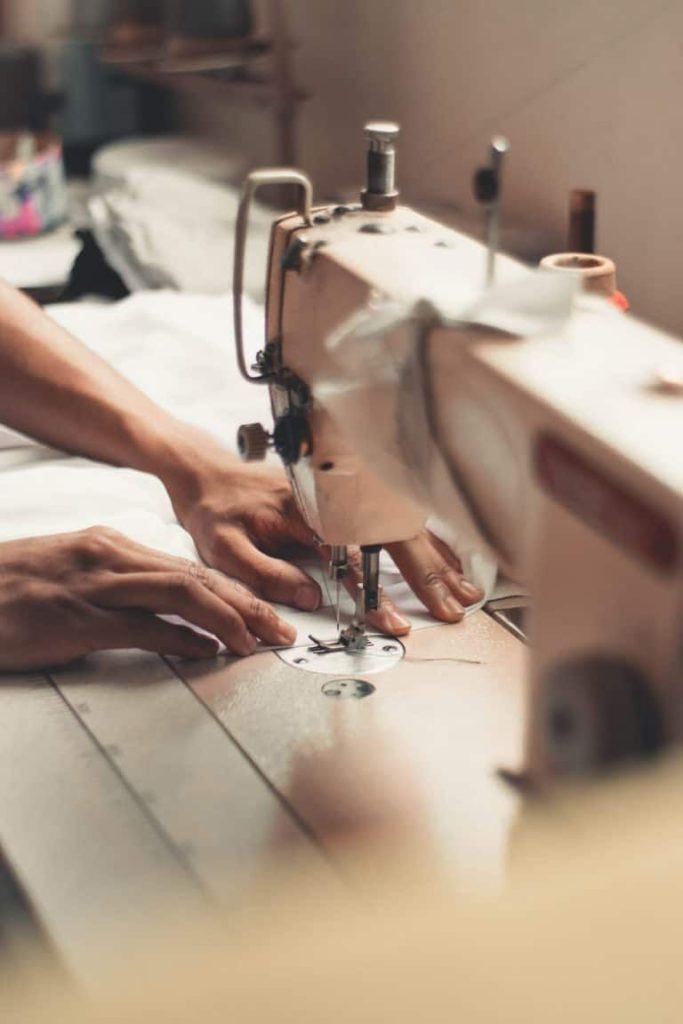
The pieces are transferred to the production lines for assembly using various types of machines:
Singer Machine (Single Needle)
Overlock Machine
Cover Stitch Machine
Quality control is performed during sewing to ensure proper execution and accurate finishing.
8. Ironing and finishing stage
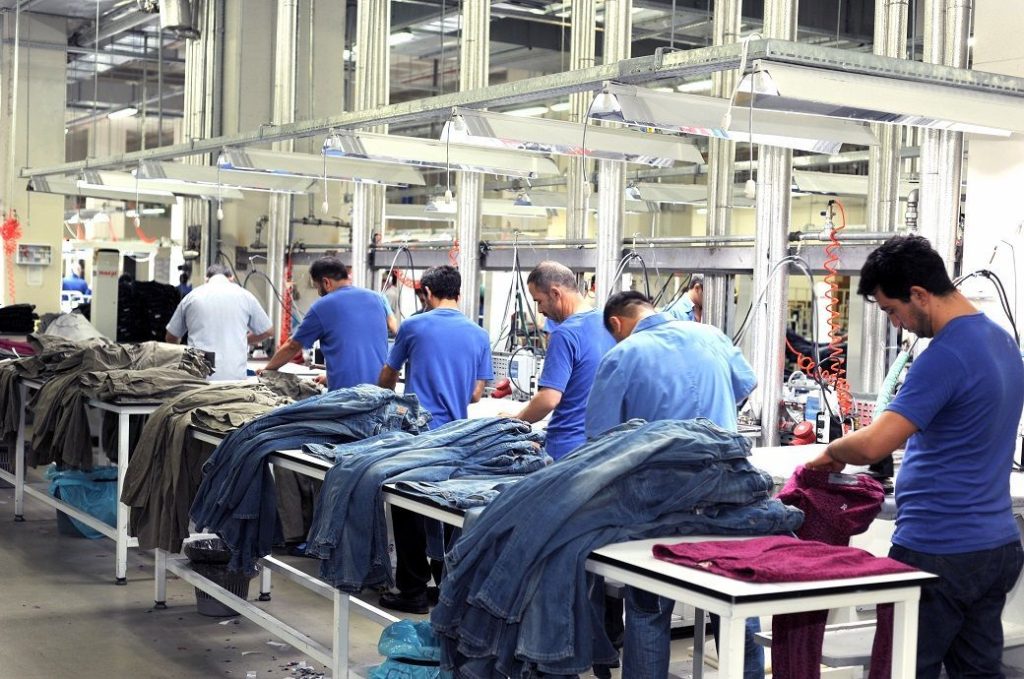
The pieces are ironed and excess threads are removed. Labels, brand tags, and size tags are then added before packaging.
9. Sorting and packing stage
Each piece is inspected for defects, then packed in bags or cartons according to customer requirements or internal distribution methods.
10. Final product in the market
After all stages are completed, the products are distributed to stores and showrooms, or exported abroad, and the marketing and sales phase begins. Performance is monitored to evaluate the success of the design and production.